
Diabetes and Vision Loss
Did you know that in Australia alone, 280 people are diagnosed with diabetes every single day? That’s over 100,000 people each year!
It is estimated that on top of that staggering number, up to 500,000 Australians may be living with diabetes and not even know it. This makes diabetes the fastest growing chronic condition in Australia; growing at a faster rate than heart disease and cancer.
What is Diabetes?
There are several different types of diabetes, but the most common form in Australia is Type 2. Type 2 diabetes occurs when the body either cannot produce enough of the hormone insulin for proper function, or if cells in the body do not react to insulin correctly. This type is most commonly found in people over the age of 40 or in people who are overweight or obese. Another form is Type 1 diabetes (also known as juvenile diabetes) and usually develops earlier in life and is the result of the body producing little or no insulin. The third type of diabetes is known as Gestational Diabetes, which is often temporary and usually arises during the second or third trimester of pregnancy.
How does diabetes cause vision loss?
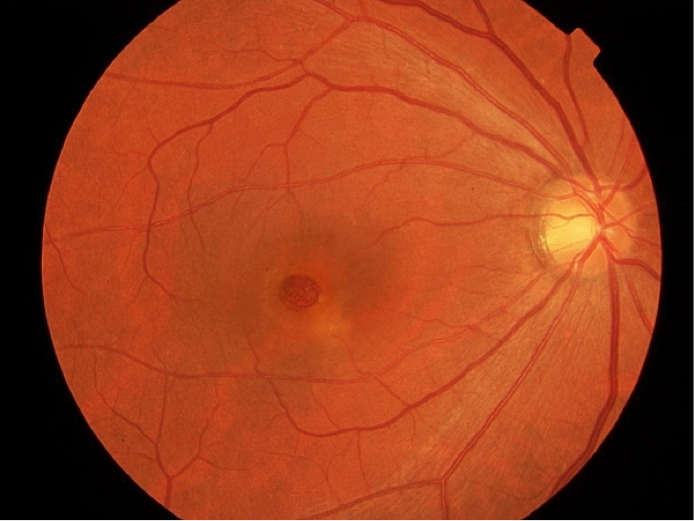
Having diabetes makes it harder for the body to properly regulate the level of sugar in the blood. Over time uncontrolled high blood sugar levels cause damage to the blood vessels which nourish the back of the eye called the Retina. This leads to a condition known as Diabetic Retinopathy.
Diabetic Retinopathy is a general term used to describe all disorders of the retina caused by diabetes and involves leaking or blockage of the network of blood vessels supplying the retina. It is one of the more serious complications of diabetes and is the leading cause of preventable blindness in Australia, with over 72,000 people currently living with the disease.
Symptoms of Diabetic Retinopathy include:
- Blurred, distorted or patchy vision that can’t be corrected with prescription glasses
- Problems with balance, reading, watching television and recognising people
- Being overly sensitive to glare
- Difficulty seeing at night
However, in the early stages of Diabetic Retinopathy there are often little or no symptoms and unless regular eye examination forms part of your diabetic health management plan, the disease may not be diagnosed until it is advanced, leading to increased chance of vision loss.
How do I help prevent vision loss due to diabetes?
The most important way of helping prevent vision loss due to diabetes is to make sure you schedule a comprehensive eye exam with your optometrist or ophthalmologist at least once a year (or more frequently if recommended by your eye health professional). Early detection and treatment is key to reducing your risk of impaired vision or permanent vision loss.
You can book your FREE Diabetic Retinopathy eye test with us today by calling (03) 9459 5133